
Open Access Basics
Open Access aims to make scientific publications and scientific research results globally accessible and reusable in digital form, free of charge and free of technical orlegal barriers. Leading research institutions and numerous scientists from all over the world have committed themselves to this goal by signing the Berlin Declaration.
The University of Greifswald also recommends that its researchers publish their research results in a suitable Open Access format. In addition to journal articles, this also includes other types of publications such as monographs, conference proceedings and the publication of research data. The open accessibility of quality-assured research results is of central importance, as it increases global visibility, location-independent availability and permanent citability of scholarly research and publications. It is the only way to enable free and equal access to research results for all people.
Open Access Team
University Library Greifswald
Service hours:
Monday to Friday 9am–11am
Telephone +49 3834 420 1531
openaccess@uni-greifswald.de
What is Open Access?
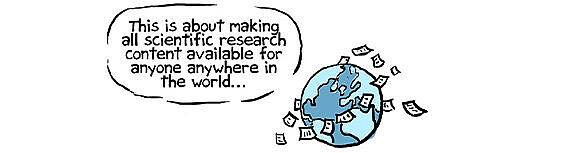
In this YouTube video Nick Shockey and Jonathan Eisen introduce us to the world of open access publishing and explain what it is all about.

Advantages of Open Access
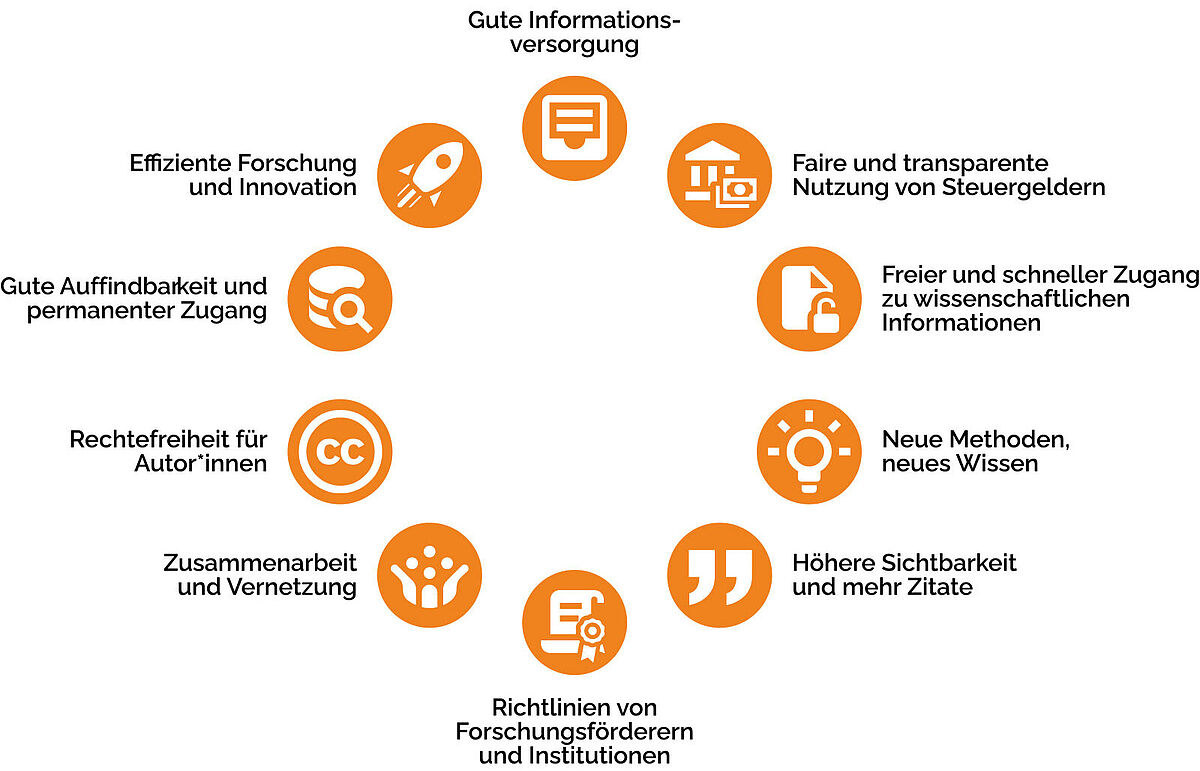
- Fast and free access to scientific information
- Fair use of taxpayers' money and guidelines from funding organisations
- Free access to publicly funded research results
- Increased visibility and citation numbers of publications
- Promotion of international and interdisciplinary cooperation
- Rights of use remain with the authors through open licences – more information
- Long-term availability of documents and data
- Promotion of research efficiency
- Improvement of information supply and a way out of the journal crisis
- Advantages in working networked, IT-supported environments
- Priority assurance
- Easy to find via search engines and reference services
Ways to Publish Open Access
1. Gold Open Access
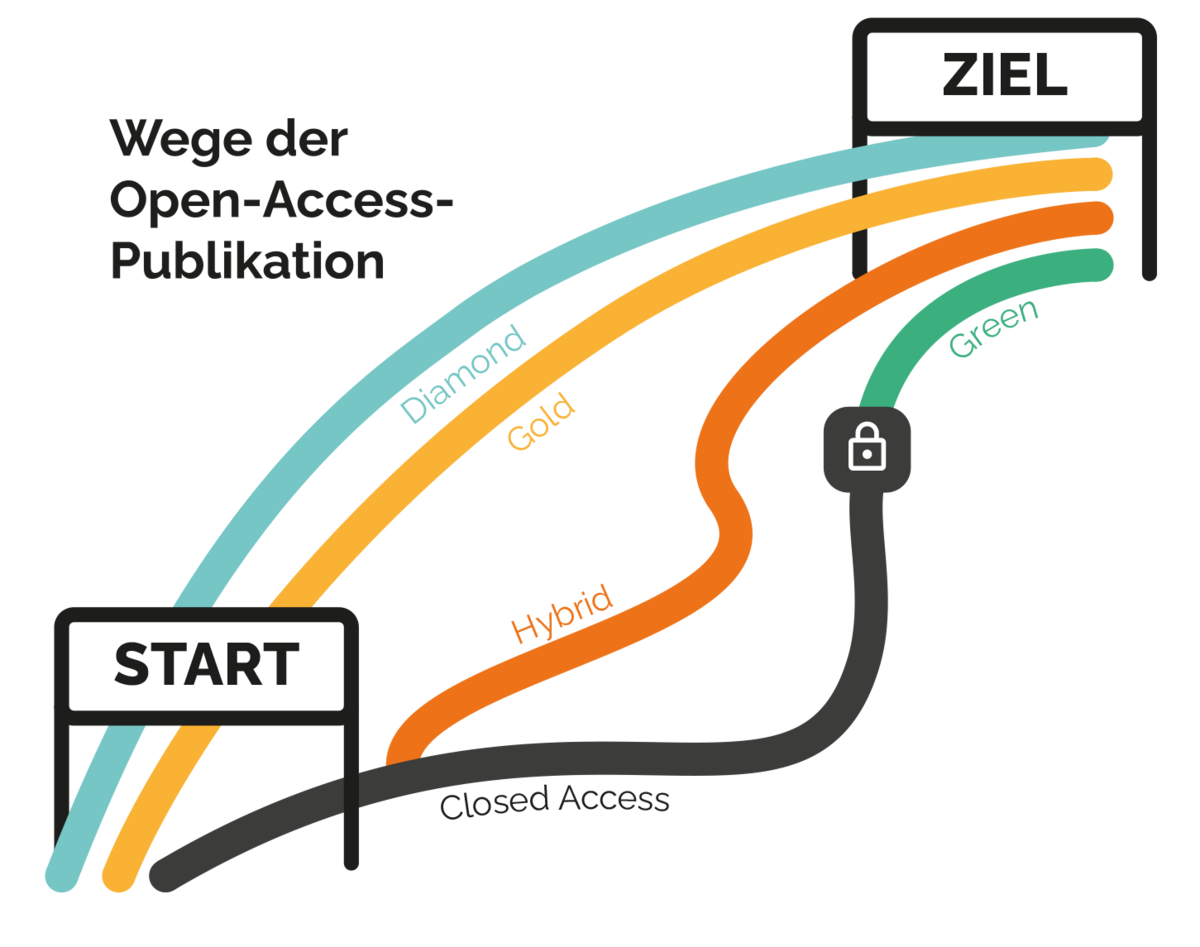
The golden route refers to the quality-checked initial publication of a publication in Open Access media that are solely Open Access. The publication is thus immediately and globally accessible to others free of charge. However, there are costs attached to for Open Access publications: Usually, authors are charged these fees by the publishers as publication fees or so-called article processing charges (APCs). Gold Open Access publications are published under a Creative Commons licence.
2. Diamond Open Access
If no costs are passed on to the authors for the initial publication – neither for publication nor for access to the publications – this is referred to as Diamond Open Access. Diamond Open Access publications use a variety of funding and business models. These range from consortium financing and library budgets to funding by scholarly associations or (inter)national funding organisations. When the publication is governed by scientists, it is often referred to as scholar-led or academic-led. Diamond Open Access publications are published under a Creative Commons licence.
5. What are Transformative Agreements (also known as Publish-and-Read Agreements)?
Libraries negotiate Open Access transformative agreements with publishers individually as well as in consortia to eliminate the burden of financing both subscription and publication fees. In addition to the access module for journals, these agreements also include a publication module for articles and are therefore also referred to as publish-and-read agreements. The aim of these agreements is to establish an open system of scientific publications in the foreseeable future that functions without payment barriers. Here you can find an overview of the transformation agreements of the University of Greifswald.
3. Green Open Access – Republishing in Open Access
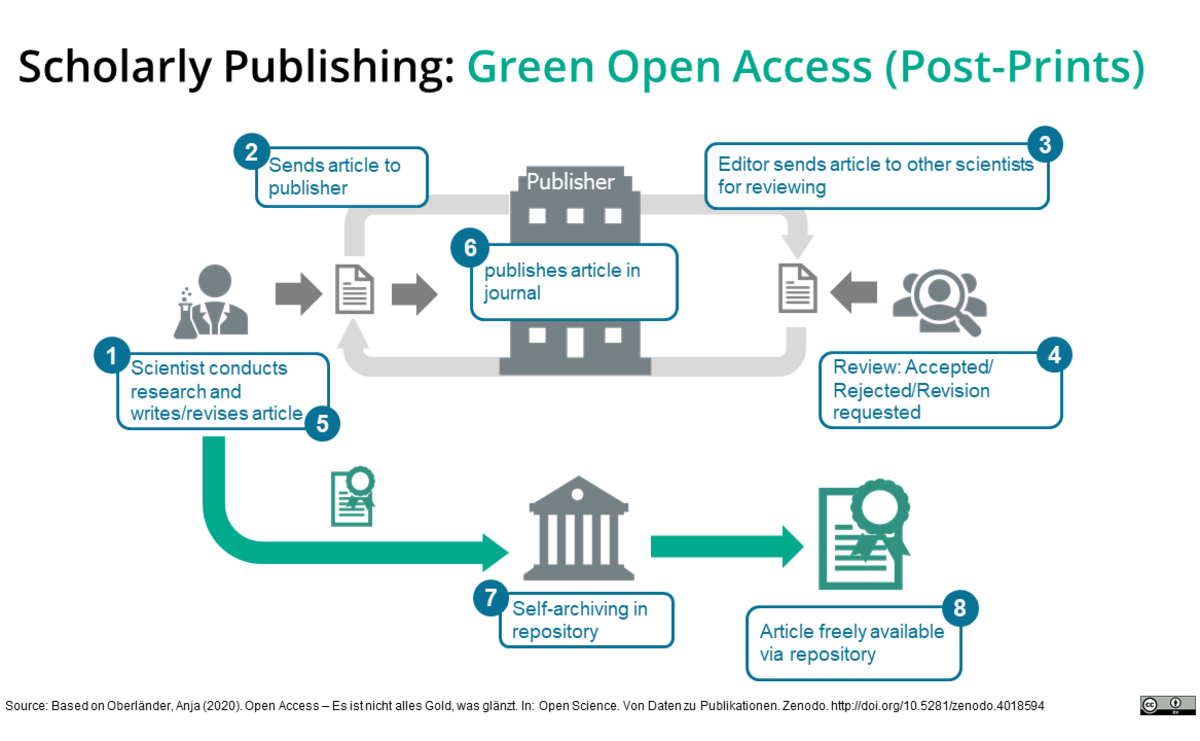
The green route refers to the additional publication of a work in institutional or subject-specific repositories. Publications that were first published in a fee-based journal or by a publisher are thus made available free of charge. Depending on the publisher's policy and contractual terms, this can happen either simultaneously or after an embargo period of mostly 6–24 months. Since 2019, Greifswald scientists have been able to (re)publish publications in Open Access on the University's repository.
Further information on our publication process, licences and document requirements can be found here.
4. Hybrid Open Access
In addition to the golden route, some publishers also offer hybrid Open Access models. These hybrid journals publish both articles that are behind a paywall as well as articles that are freely accessible and subject to Open Access publication charges. This model has the major disadvantage that an institution that subscribes to such journals pays the publisher twice: once for the subscription fee to closed access articles, and additionally for the APCs for Open Access publication. To prevent this so-called ‘double dipping’, Open Access transformative agreements were created.